At least one in 10 adults could have diabetes by 2030, warns the International Diabetes Federation, based on the most recent research. This means that the number of people living with diabetes will probably increase from 366 million to 552 million, worldwide, by this date if we don’t begin to wake up and take serious action now!
South Africans should especially take cognizance of the fact that after Nigeria our country has the highest incidence of diabetes and that projected statistics reveal a massive rise in those numbers mostly due to urbanisation. As more and more rural people migrate to the city so they become sedentary and their diets become even more unhealthy – they may eat more but the quality of the food is very poor. This and a lack of exercise play a major role in developing diabetes.
This year, National Diabetes Awareness Week was in November and with the release of the latest eye-opening stats it may benefit the South African public to develop healthier lifestyles and diets.
As a way of promoting awareness BWG (Biologics Working Group) continues to educate South Africans suffering from the disease to the many advantages of biologic-based insulin which can ultimately be a more effective treatment for many diabetics. Also, Novo Nordisk, a healthcare company dealing in biologics and leaders in diabetes care, travelled from region to region in their Diabetes Bus, providing free glucose tests, advice and information, in the hopes of growing a more knowledgeable nation around the disease.
BWG drives the education of biologics to the public by promoting the benefits of using the ‘wonder drugs’ as an alternative to the more traditional forms of treatment. BWG spokesperson Kirti Narsai says, “Although they may cost more than other conventional drugs, studies have shown significant benefits and we would like all consumers to be informed of all the treatment options available to them. However, people should also be aware that ‘biologics’ are not a suitable treatment for everyone. Each patient is unique and must qualify individually before being prescribed this form of treatment. Potential patients are urged to consult their doctors or specialists first.”
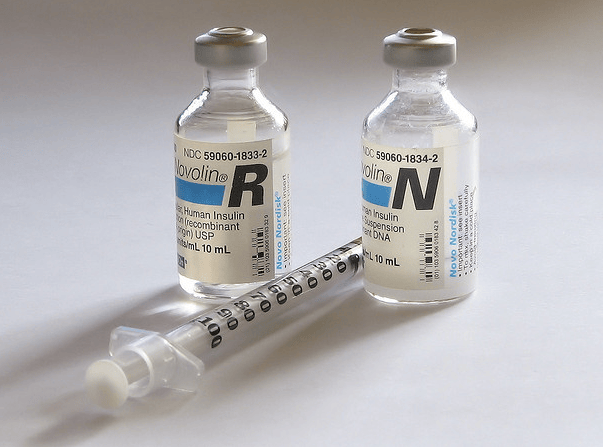
In South Africa there are approximately two-million people already suffering from diabetes and many of them end up on insulin as a way to manage the disease and live normal lives. What they may not know is that they have options as to what type of insulin they use to manage their illness as some treatments have negative side effects, while others take a gentler approach. This is one of the marked differences between normal prescription insulin and biological insulin; whereas the traditional drug is known to cause weight gain and low blood sugar, the biological drugs, or biologics, have no side effects at all. In fact, for the first time ever, there is biologic-based insulin on the market which has weight advantages and yet another that is registered for use in pregnancy.
So what are biologics? They have been referred to as the “drugs of the future” and are target-specific treatments – for example, the breast cancer drug Herceptin – that attacks particular cells, cannot be manufactured and is grown from living organisms. “What many people are not aware of, though,” explains Narsai “is that insulin, used in the treatment of Type 1 diabetes or diabetes mellitus is, in fact, the oldest existing biologic on the market.”
Biologics’ many breakthroughs have brought about a change in the way we look at medicine as it offers more varied treatment options for the management of many diseases, including some for which there were once no effective therapies available; and others where existing therapies were mostly inadequate. As more advancements are made using biologics so the name “drugs of the future” becomes more and more fitting.
Discover more from Sweet Life
Subscribe to get the latest posts sent to your email.


Be First to Comment